Hiring the right General Contractor for an energy-efficient remodel can make a major difference in how comfortable, durable, and affordable your home is to operate for years to come. In the Pacific Northwest, homeowners face a unique combination of cool winters, damp weather, seasonal temperature swings, and increasingly warm summers. That makes energy efficiency an important part of any remodeling plan, whether you are updating a kitchen, renovating a bathroom, adding new living space, or planning a complete home transformation.
Energy-efficient General Construction is not simply about installing a few new appliances or replacing light bulbs. A well-planned remodel considers the entire home, including insulation, windows, air sealing, heating and cooling, ventilation, water use, lighting, and the materials used throughout the project.
For homeowners in Seattle, WA, Renton, WA, Bellevue, WA, and surrounding communities, improving energy efficiency during a remodel can help create a home that feels more comfortable while reducing unnecessary energy waste.
Start With the Home’s Building Envelope
One of the most important areas to consider during an energy-efficient remodel is the building envelope. This includes the exterior walls, roof, windows, doors, foundation, and insulation that separate the inside of your home from outdoor conditions.
Older Pacific Northwest homes often have areas where heated or cooled air escapes. Small gaps around windows, doors, plumbing penetrations, attic access points, and framing connections can add up quickly.
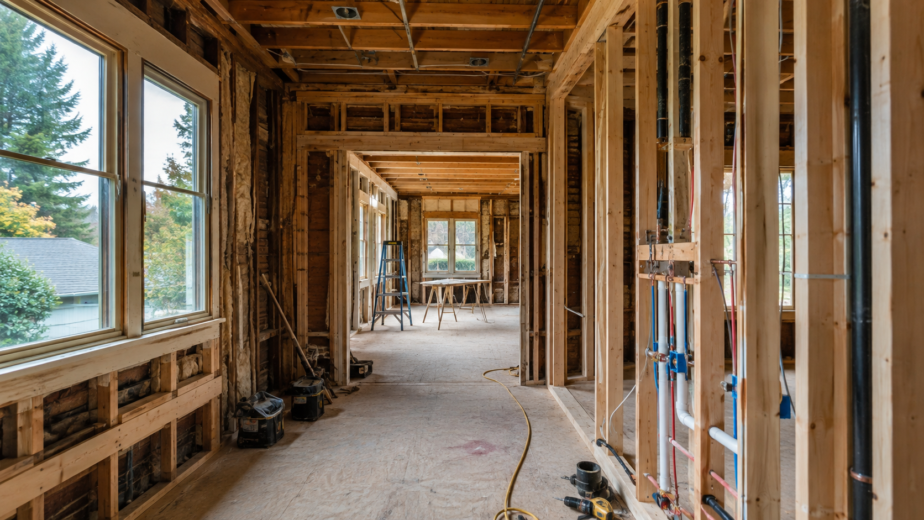
During Home Remodeling, a General Contractor may identify opportunities to improve air sealing and insulation while walls, ceilings, or floors are already open.
Common improvements may include:
- Adding or upgrading attic insulation
- Improving wall insulation during major renovations
- Sealing gaps around windows and exterior doors
- Weatherproofing around plumbing and electrical penetrations
- Improving crawlspace or basement insulation
- Addressing drafts around older framing
These improvements can help reduce heat loss during colder months and keep indoor temperatures more stable during warmer weather.
Upgrade Windows and Exterior Doors When Appropriate
Windows play a major role in energy efficiency, especially in older homes.
Single-pane or aging windows may allow significant heat transfer and air leakage. During a major Home Renovation, replacing outdated windows with modern energy-efficient models can improve comfort and reduce drafts.
Homeowners should consider factors such as:
- Double-pane or triple-pane glass
- Low-emissivity coatings
- Insulated frames
- Proper flashing and moisture protection
- High-quality installation
Installation is especially important in the Pacific Northwest because poor flashing or sealing can allow moisture to enter wall assemblies.
Exterior doors should also be evaluated. A properly insulated and weather-sealed door can help reduce drafts while improving the overall appearance and security of the home.
Make Kitchen Remodeling More Energy Efficient
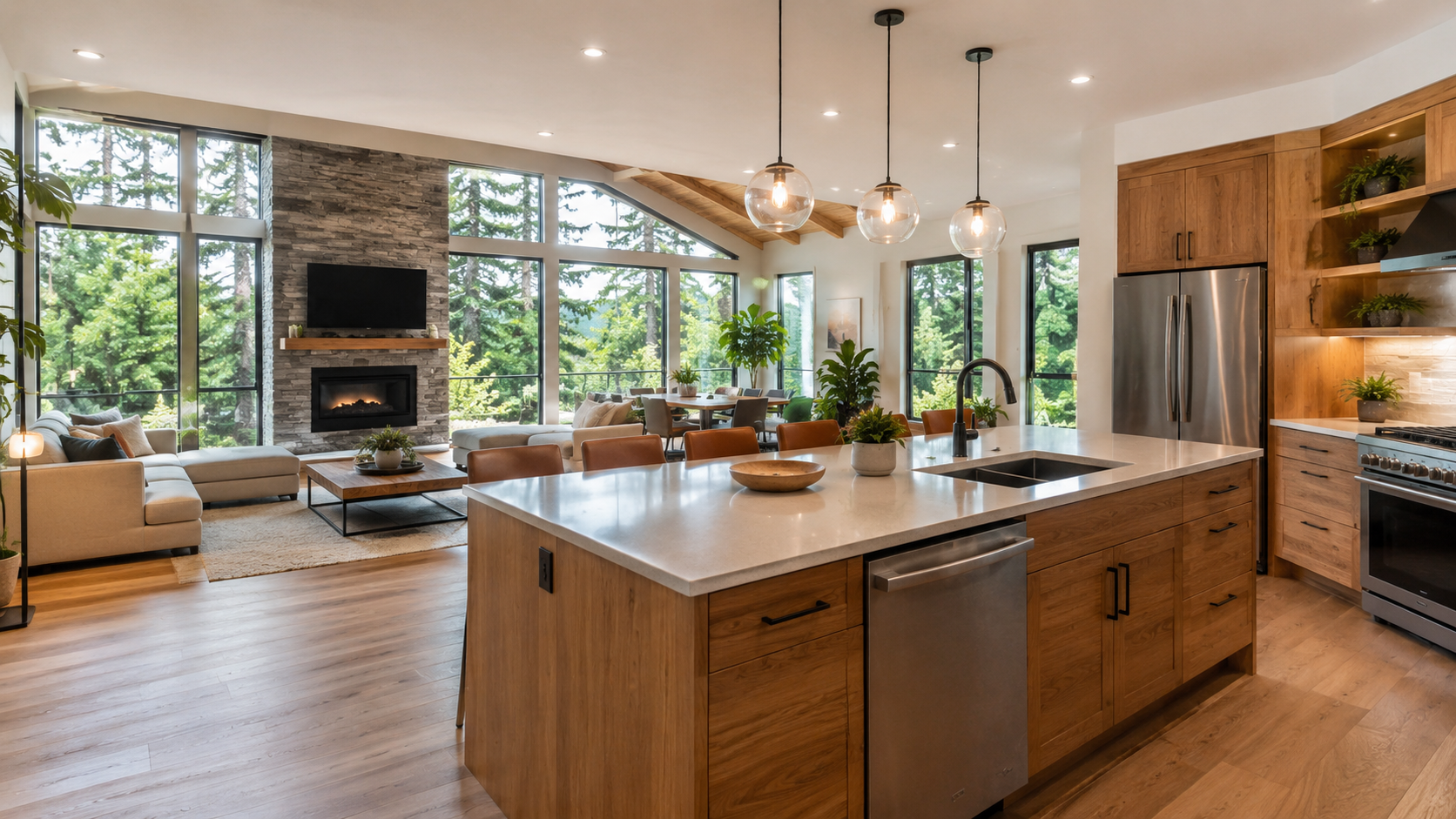
A kitchen renovation creates several opportunities to improve energy efficiency without sacrificing style or functionality.
During Kitchen Remodeling, homeowners may consider replacing older appliances with more efficient refrigerators, dishwashers, ranges, and ventilation equipment.
Other upgrades can include LED lighting, improved task lighting, efficient plumbing fixtures, and better insulation around exterior kitchen walls.
If the kitchen layout is being changed, your contractor may also have access to areas that are normally hidden behind cabinets or drywall. This can be an ideal time to improve insulation, update electrical systems, or seal air gaps.
Thoughtful Kitchen Renovations can also improve natural lighting. Larger windows, strategically placed skylights, or better room layouts may reduce the need for artificial lighting during daylight hours.
Improve Efficiency During Bathroom Remodeling
Bathrooms may be smaller spaces, but they can have a noticeable impact on water and energy use.
During Bathroom Remodeling, homeowners can consider installing:
- Water-efficient toilets
- Low-flow showerheads
- Efficient faucets
- LED lighting
- Proper bathroom ventilation
- Energy-efficient exhaust fans
Ventilation is particularly important in the Pacific Northwest.
Bathrooms naturally create moisture, and without proper ventilation, that moisture can contribute to condensation, mildew, and damage to finishes or building materials.
Well-planned Bathroom Renovations should balance energy efficiency with moisture control. An efficient ventilation system helps remove humidity without unnecessarily exhausting large amounts of conditioned air.
Consider Heating and Cooling Improvements
Heating is often one of the largest energy expenses in a Pacific Northwest home.
When completing a major remodel, homeowners may want to evaluate whether their existing heating system is appropriately sized and operating efficiently.
Depending on the home, upgrades may include high-efficiency furnaces, heat pumps, ductless mini-split systems, improved ductwork, or smart thermostats.
Modern heat pump technology has become an increasingly practical option for homes that need both heating and cooling. This can be especially useful as summers throughout the Pacific Northwest become warmer.
A qualified General Contractor can coordinate remodeling work with heating, electrical, plumbing, and other trades so efficiency upgrades are properly incorporated into the overall project.
Do Not Overlook Air Sealing
Insulation often receives most of the attention when homeowners think about energy efficiency, but air sealing can be just as important.
A well-insulated wall can still perform poorly if air is constantly moving through gaps in the structure.
Common air leakage areas include:
- Window and door frames
- Electrical outlets on exterior walls
- Recessed lighting
- Attic access openings
- Plumbing penetrations
- Basement rim joists
- Crawlspace connections
Major remodeling projects provide a great opportunity to address these areas because walls, ceilings, and floors may already be exposed.
Experienced Home Remodelers can identify areas that should be evaluated before new drywall, flooring, cabinets, or finishes are installed.
Improve Energy Efficiency With Home Additions
Home Additions provide a unique opportunity because the new space can be designed with modern energy-efficiency standards from the beginning.
Instead of trying to correct older construction methods, homeowners can incorporate better insulation, air sealing, windows, lighting, and heating systems into the new structure.
Important planning considerations include:
- Window orientation
- Natural daylight
- Roof and attic insulation
- Wall insulation
- Heating and cooling design
- Moisture protection
- Efficient lighting
- Proper ventilation
The connection between the existing home and the new addition is also important. Poorly planned transitions can create drafts, insulation gaps, or moisture problems.
Working with a contractor experienced in additions helps ensure that the new space functions as part of the entire home rather than feeling like a separate structure.
Use Natural Light Strategically
The Pacific Northwest is known for cloudy weather, but natural daylight can still play an important role in energy-efficient design.
During a remodel, changing the placement or size of windows can make rooms brighter and reduce dependence on artificial lighting.
Open floor plans may also allow natural light to travel deeper into the home.
Skylights can be useful in certain areas, but they should be carefully designed and installed to avoid heat loss or moisture problems.
The goal is not simply to add more glass. It is to create a balanced design that improves daylight while maintaining insulation, comfort, and weather protection.
Choose Efficient Lighting Throughout the Home
Lighting upgrades are one of the simplest improvements to include during remodeling.
LED lighting uses significantly less electricity than older incandescent lighting and typically lasts much longer.
During renovation, homeowners can also improve lighting design by creating separate zones for different activities.
For example, a kitchen may include:
- General ceiling lighting
- Under-cabinet lighting
- Pendant lights
- Task lighting
- Accent lighting
Using separate controls allows homeowners to illuminate only the areas they need instead of turning on every light in the room.
Dimmer switches, occupancy sensors, and smart-home controls can provide additional flexibility.
Think About Water Efficiency Too
Energy efficiency and water efficiency often work together.
Heating water requires energy, so reducing unnecessary hot-water use can help lower both water and energy consumption.
During kitchen and bathroom remodeling, homeowners can consider efficient plumbing fixtures, properly insulated hot-water pipes, and updated water heaters.
If the home has an older water heater, a renovation may be a good time to evaluate newer options based on household needs and available utilities.
Reducing the distance between water heaters and frequently used fixtures may also help reduce the amount of water wasted while waiting for hot water to arrive.
Plan for Moisture Management
Energy-efficient homes are often more tightly sealed than older homes. That is good for reducing drafts, but it also makes ventilation and moisture management even more important.
Pacific Northwest homes experience frequent exposure to rain and humidity.
A successful remodeling project should consider:
- Proper exterior drainage
- Roof flashing
- Window flashing
- Bathroom ventilation
- Kitchen ventilation
- Crawlspace moisture
- Foundation drainage
- Indoor air circulation
Energy efficiency should never come at the expense of indoor air quality or moisture protection.
A balanced approach helps create a home that is efficient, healthy, and durable.
Consider the Entire Home Instead of Isolated Upgrades
One of the biggest advantages of working with a full-service remodeling company is the ability to look at the home as one connected system.
Replacing windows may affect insulation.
Changing a kitchen layout may affect plumbing, electrical, ventilation, and lighting.
Building an addition may affect the heating system.
Opening walls during a renovation may reveal opportunities to improve insulation or correct older construction issues.
When all of these decisions are coordinated together, homeowners can often achieve better results than they would by completing individual improvements at different times.
This approach is particularly helpful for homeowners planning larger projects in Kirkland, WA, Kent, WA, Redmond, WA, Woodinville, WA, Mercer Island, WA, and Sammamish, WA.
Work With a General Contractor Who Can Coordinate the Entire Remodel
Energy-efficient remodeling often involves several trades working together.
Insulation contractors, electricians, plumbers, HVAC technicians, framers, carpenters, window installers, and finish crews may all be involved.
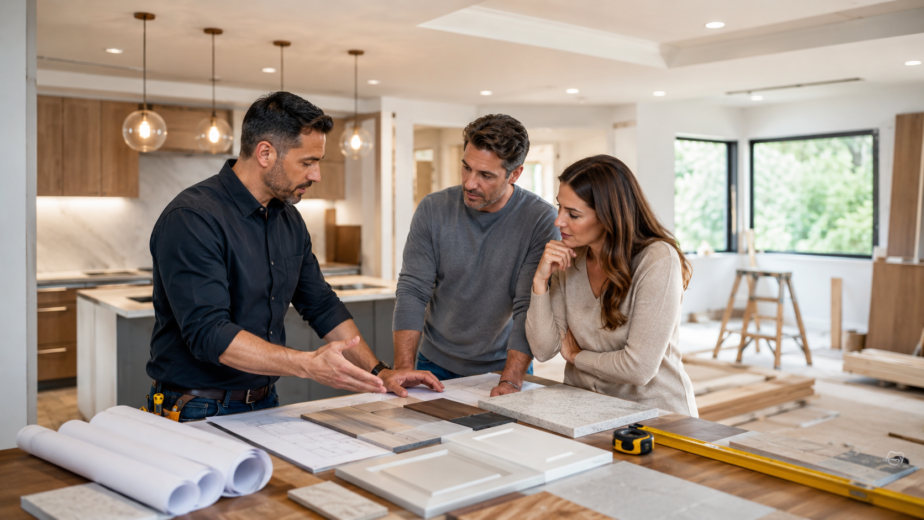
A capable General Contractor can coordinate these different phases so that efficiency improvements are not overlooked or compromised during construction.
For example, insulation improvements should be coordinated with electrical and plumbing work. Window installation should be coordinated with exterior siding and flashing. Kitchen ventilation should be coordinated with cabinetry, electrical work, and duct routing.
This type of coordination is especially valuable during whole-home renovations and larger remodeling projects.
Build a More Comfortable Pacific Northwest Home
Energy-efficient remodeling is about more than lowering utility costs.
It can also improve everyday comfort.
A well-insulated and properly sealed home may have fewer cold spots, fewer drafts, more consistent indoor temperatures, and better control over humidity.
Modern windows can make rooms more comfortable near exterior walls.
Improved ventilation can help manage moisture.
Efficient heating and cooling systems can provide more consistent temperatures throughout the home.
When these improvements are integrated into the remodeling process, homeowners can create spaces that feel better while also preparing the property for the future.
For homeowners planning Home Remodeling, Kitchen Remodeling, Bathroom Remodeling, Home Additions, or a complete Home Renovation, Valencia Construction provides full-service remodeling and construction support designed to manage projects from start to finish. Their team works across the greater Seattle area and can coordinate the many moving parts involved in creating a more comfortable, functional, and energy-efficient home. If you are considering a remodel, Schedule a Free Estimate to discuss your project and explore the improvements that make the most sense for your home.